

4.7* BASED ON 1300+ REVIEWS
4.7* BASED ON 1300+ REVIEWS
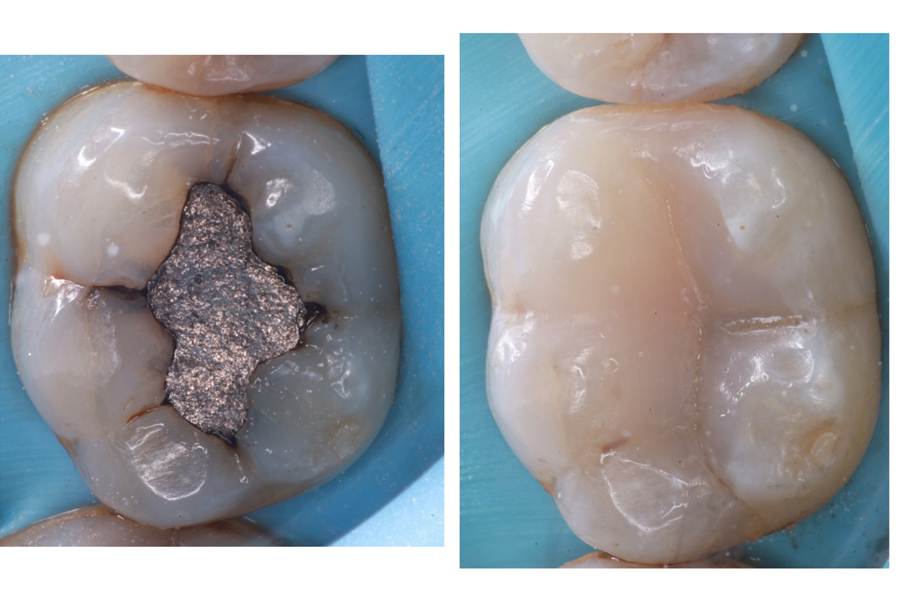
When it comes to repairing cavities, dental fillings aren’t one-size-fits-all. The two most common options—silver (amalgam) fillings and white (composite) fillings—each have their own strengths. But if you’re weighing appearance, comfort, and modern dental care, one clearly shines brighter than the other.
Silver fillings have been around for over a century. Made from a mix of metals, including mercury, silver, tin, and copper, they’re known for their durability and affordability. However, silver fillings are highly visible, expand and contract with temperature changes (which can stress the tooth), and often require removing more healthy tooth structure during placement.
White fillings, also called composite fillings, are made from a tooth-coloured resin that blends seamlessly with your natural smile. Aesthetics are the obvious win here—most people can’t even tell they’re there. But the benefits go beyond looks. Composite fillings bond directly to the tooth, which means less drilling and more preservation of healthy enamel. They’re also less sensitive to temperature changes and don’t contain mercury, a concern for some patients.
So why does one stand out?
White fillings align with modern dentistry’s focus on minimally invasive, natural-looking, and patient-centred care. Advances in composite materials have made them strong, durable, and suitable for both front and back teeth. While they may cost more upfront, many patients feel the long-term comfort, confidence, and aesthetics are well worth it.
At NHS Dentist, we offer composite fillings as part of our private dental treatment options for those who would like to keep a tooth like appearance.
Fields with (*) are required.
Please contact us via this website or email without disclosing confidential information.

