Why do teeth shift and what to do about it?
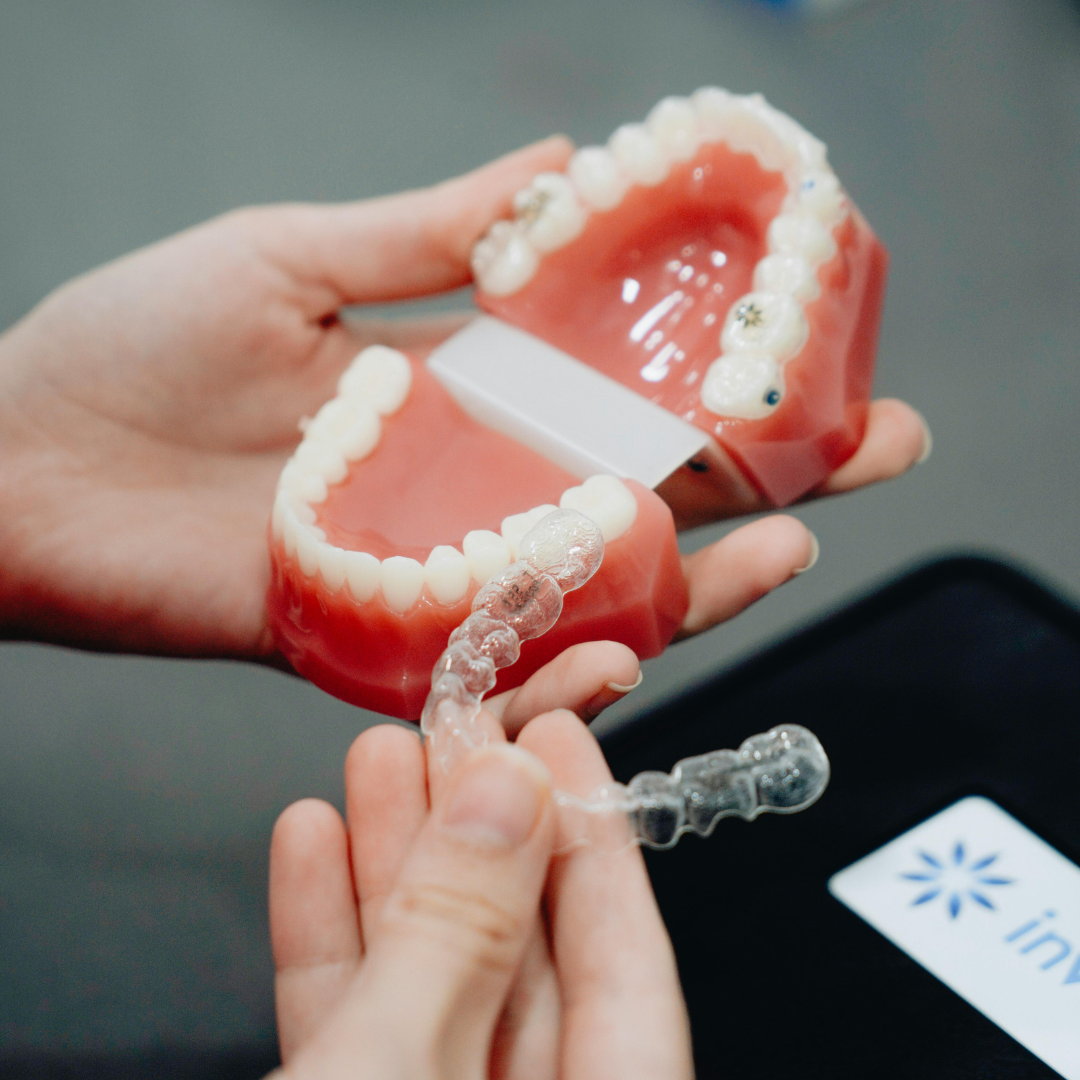
Teeth shifting is a common dental issue that can happen gradually over time, even in people who previously had straight teeth. Shifting occurs when pressure changes inside the mouth affect tooth position. Common causes include aging, tooth loss, gum disease, grinding or clenching, injury, and natural jaw changes. Orthodontic relapse — when teeth move back after braces or aligners — is also very common if retainers are not worn consistently. Wisdom teeth are sometimes blamed, although research suggests they are not usually the main cause of crowding.
Teeth are held in place by bone, gums, and ligaments. When these supporting structures weaken or when pressure is applied unevenly, teeth can slowly drift. Missing teeth create empty spaces that nearby teeth naturally move into, while gum disease can loosen teeth and allow movement. Habits such as tongue thrusting, nail biting, or teeth grinding may also contribute to shifting.
Preventing teeth shifting often involves maintaining good oral health and protecting the alignment of the teeth. Regular dental checkups help identify gum disease or bite problems early. Replacing missing teeth with implants, bridges, or dentures can also prevent neighboring teeth from moving. In some cases, night guards may help reduce damage from grinding and clenching. Wearing retainers over night to prevent further shifting and problems is a recommended.
Correcting shifted teeth is important for both health and appearance. Misaligned teeth can make brushing and flossing more difficult, increasing the risk of cavities and gum disease. Shifting may also affect the bite, causing jaw discomfort, uneven tooth wear, headaches, or speech issues. Orthodontic treatment, such as braces or clear aligners, can improve function, comfort, and confidence while helping protect long-term oral health.
For more information about your options, and to explore a full comprehensive treatment plan, please book your dental health check to see you dentist.