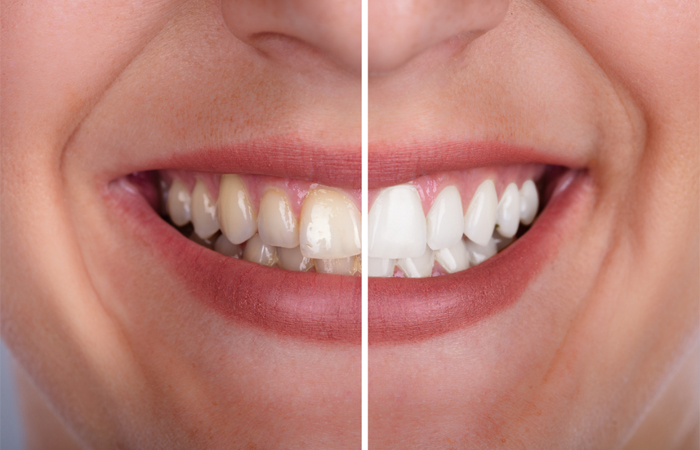
Is Teeth Whitening safe?
Teeth whitening is generally safe when it is carried out correctly and under the guidance of a dental professional. However, its safety depends on the method used, the condition of your teeth and gums, and how closely instructions are followed.
Professional teeth whitening—either done in a dental practice or provided as dentist-prescribed home kits—is considered the safest and most effective option. These treatments use regulated concentrations of whitening agents such as hydrogen peroxide or carbamide peroxide. Before whitening, a dentist will examine your mouth to ensure there are no untreated cavities, gum disease, or enamel issues, all of which could increase sensitivity or cause harm if whitening is done prematurely. This assessment is a key reason professional whitening is safer than unsupervised alternatives.
Tooth sensitivity is the most common side effect of whitening. It usually occurs temporarily during or shortly after treatment and settles within a few days. Dentists can minimise sensitivity by adjusting the strength of the whitening gel, recommending desensitising toothpaste, or spacing treatments appropriately. Mild gum irritation can also occur, typically if the gel comes into contact with soft tissues, but this is short-lived when trays fit properly.
Over-the-counter whitening products—such as strips, gels, pens, and whitening toothpastes—are widely available and generally safe when used as directed. However, these products are less tailored to the individual and may be misused. Excessive or prolonged use can lead to increased sensitivity, enamel dehydration, or gum irritation. Whitening toothpastes, in particular, do not truly whiten teeth but instead remove surface stains using mild abrasives, which can wear enamel if overused.
DIY and online “hacks” (such as charcoal powders, lemon juice, baking soda, or unregulated whitening kits) are not recommended. These methods can permanently damage enamel, irritate gums, and increase the risk of decay without providing predictable or safe results.
It’s also important to note that whitening does not work on crowns, veneers, fillings, or dentures. A dentist can advise whether whitening is suitable for you and how it may affect existing dental work.
As part of our available private treatment options here at NHS Dentist Fulham, Teeth Whitening is safe and common solution for darker teeth. For further information, please do not hesitate to contact us.